My Blog List

Tuesday, November 1, 2022

HABITAT RESTORATION


Providing nesting boxes for cavity-nesting birds, has attracted Western screech owls, barn owls, wood ducks, blue birds, and tree swallows.


I began planting the Valley Oak savanna nineteen years ago on what had been bare land, tilled for agriculture. It is now habitat for nesting birds, hares, squirrels, and foxes. 

Clarkia growing through creek bed gravel.

California poppies on creek bed gravel.


Ceanothus.


Ground cover during the rains of Winter and Spring.

Mixed native penstemons and sages.

Golden-beard penstemon.

Heucheras (coral bells or alum root) with penstemons and sages.

With habitat improvement, the ranch has become a refuge for blacktail deer.


Monday, October 31, 2022

WHEN THE CREEK WENT DRY


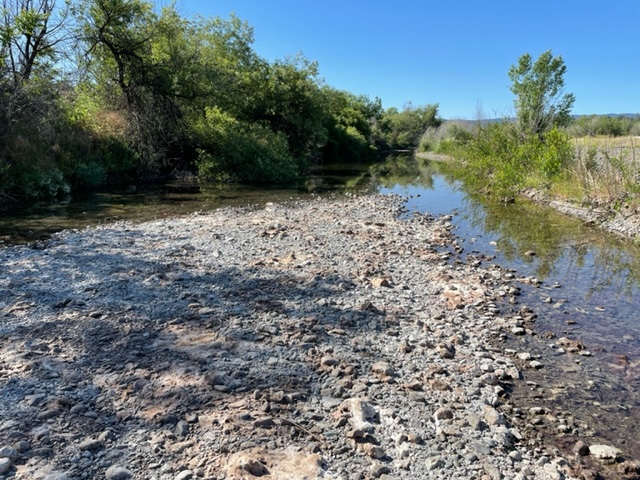
As the historic drought dragged on, the creek went dry early in the Summer, dooming millions of newly hatched fish including the endangered hitch. Tadpoles too, of Western toads and Pacific chorus frogs, had no time to transition into toadlets and froglets before the water disappeared.


One day later, this section of creek would be completely dried up.
The gravel would be clogged with the countless millions dead of many species of fish and amphibians.


To sustain a local amphibian population, transplantation action was required.


A new, small wildlife pond was excavated on the ranch, which would provide refuge for the suddenly waterless creatures of the creek.


The tadpoles thrived in the new pond. All had time to grow legs and hop away later in the Summer, looking for suitable habitats on land. Aquatic insects too, were translocated.


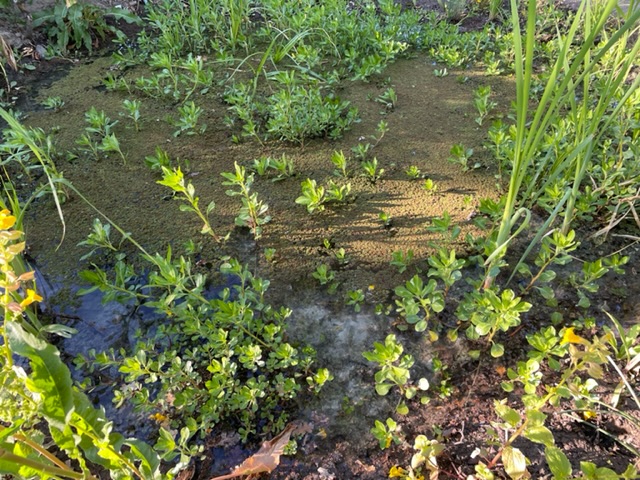
Indigenous aquatic plants came from a nearby slough. Soon, a rich habitat attracted bees, butterflies,  damsel flies, birds, and mammals - a tiny oasis - the only local water source.


A small number of rescued fish fry adapted to the new pond, controlling mosquitoes, while they were at it.


A full grown Pacific chorus frog surveyed the scene.


Tuesday, November 16, 2021

LAST WINTER'S RETROSPECTIVE


A visit from the itinerant California thrasher.


Red shouldered hawk at the waterhole.


California quail hen.


California quail cock.


California ground squirrel.


Tended Bartlett pear orchards. Once the self-proclaimed Pear Capital of the World, Kelseyville is losing its orchard acreage to an increasing number of vineyards.


Barn owl house on The Mother of Oaks.


Clear Lake and its snows.


Mountain weather.


Burning slash pile.

CHILLING


November sunset from the Valley Oak grove.


Two sharp tail snakes, which sheltered under the stock tank.


Child of the Night - Coyote.


Wildlife pond as the bentonite clay lining settles.


The most ancient lake.


Lake launch.


Grape wagons.


November vineyard at Finca Castelero.


Gingko.


Outdoor seating with ash leaves.


Our neighbor videoed this red tailed hawk eating a tree squirrel. The following day, the hawk was found dead. Could the squirrel have ingested rodenticide and passed it on to the hawk? Seems likely.

FADING OUT FOR ANOTHER YEAR


Black walnut and California buckeye in the riparian zone.


Roscoe befriends Sophie at Shady Rock Ranch.


Hand-dug wildlife pond. Water is still milky from the bentonite clay lining. The pond will be a summer refuge for chorus frog and Western toad eggs and tadpoles as Kelsey Creek goes dry.


Through Valley Oak boughs to Konocti.


Sweet gum or liquid amber, a native of the North American Southeast.


Kelsey Creek flowing fast from October's first big rain.


The eggs of Finca Castelero.


Virginia creeper on Mother of All Oaks with new barn owl box.


Coyote, stressed by injury and drought, stood at Hopland Grade roadside for two weeks before finally being struck down by a car. This report according to our local wildlife ranger.


One of twenty bluebird boxes at the ranch.


Looking across Big Valley and the lake from Mount Konocti - the clearest air basin in California, and sometimes the whole country. That is when the surrounding forests are not ablaze.